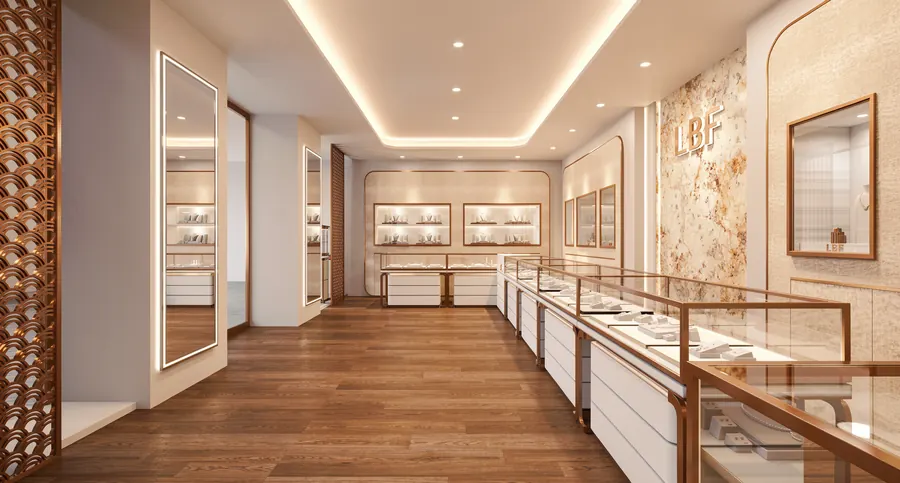
A luxury display vitrine does more than hold a product—it frames it, protects it, and tells customers what your brand stands for. For jewelry boutiques, watch retailers, and museums, the vitrine is often the final touchpoint before a purchase decision. Yet many buyers treat it as an afterthought, only to discover that poor glass, weak lighting, or the wrong dimensions undermine the merchandise. This guide covers the key specifications, materials, and practical numbers you need to choose a vitrine that performs for years. Whether you are outfitting a single flagship or rolling out a global retail network, these considerations will help you avoid costly mistakes.
Why the Vitrine Matters More Than You Think
A well-designed vitrine increases perceived value. Studies in retail psychology show that products displayed under proper lighting can command 15–20% higher price points than identical items in mediocre cases. The vitrine also protects high-value inventory: a single scratch on a watch crystal or a tarnished silver piece can reduce its resale value by hundreds of dollars. In museums, vitrines must meet conservation standards, controlling humidity and UV exposure to prevent deterioration. For luxury retail, the vitrine is both a sales tool and an insurance policy.
Core Components: Glass, Lighting, and Materials
The quality of a luxury display vitrine comes down to three elements: glass, lighting, and construction materials. Each affects clarity, security, and long-term maintenance.
- Glass: Low-iron glass (also called ultra-clear) offers 91–93% light transmission versus 89–90% for standard float glass. The difference is noticeable—diamonds sparkle more, and watch dials appear brighter. For high-security applications, laminated glass with a 0.76 mm PVB interlayer resists smash-and-grab attempts. Tempered glass adds strength but can shatter into small pieces; laminated glass holds together.
- Lighting: LED strips are the standard, offering 50,000+ hours of life and low heat. Look for a color rendering index (CRI) of 90+ to render gemstone colors accurately. Color temperature should match your brand: 3000K for warm luxury, 4000K for neutral, 5000K for diamond brilliance. Avoid fixtures that emit UV; UV can fade fabrics and damage paintings.
- Materials: Solid brass, stainless steel, and powder-coated aluminum are common for frames. Wood veneers and lacquers offer warmth but require climate control. For museums, anodized aluminum or powder-coated steel with inert gaskets prevents off-gassing that can harm artifacts.
Dimensions and Layout: Getting the Numbers Right
Standard vitrine dimensions vary by use. For a jewelry countertop vitrine, typical sizes range from 400 × 300 × 200 mm (small) to 900 × 500 × 350 mm (large). Floor-standing vitrines often stand 1200–1800 mm tall, with viewing angles optimized for standing customers. A common mistake is choosing a depth that is too shallow—less than 300 mm—which limits arrangement flexibility. For watches, a 350–400 mm depth allows tiered displays. For museums, case depth may be 600 mm or more to accommodate large artifacts. Always consider the sight line: the center of the display should be at 1400–1500 mm from the floor for standing viewers, or 1000–1100 mm for seated viewing.
Security Features: Locks, Alarms, and Glass
Security is non-negotiable for luxury goods. At minimum, choose a vitrine with a high-security cam lock or a tubular lock with drill resistance. For higher risk, integrate a vibration or glass-break sensor that triggers an alarm. Laminated glass with a polycarbonate layer can delay forced entry by 2–5 minutes—enough for staff to respond. Some retailers use time-delay locks that require a code and a 30-second wait, deterring quick theft. In museums, cases may include tamper-proof screws and internal anchors. Weigh the cost of security against the value of your inventory: a $2,000 vitrine protecting $50,000 in watches is a sound investment.
Customization and Branding: Making It Yours
Off-the-shelf vitrines rarely fit a luxury brand’s identity. Customization options include logo etching on glass, powder-coated frames in Pantone-matched colors, and interior linings in suede, velvet, or leather. For a seamless look, consider integrated LED lighting that is concealed within the frame. Drawer inserts and removable trays can adapt to changing collections. When ordering custom, expect a lead time of 4–8 weeks for production plus shipping. Always request a 3D rendering or a physical sample of materials before committing. A reputable manufacturer will provide a detailed spec sheet with glass thickness, light output (lumens), and weight capacity. Libafang, for example, offers free design consultations and 3D mockups to help buyers visualize the final product.
Budgeting: What to Expect to Pay
Prices for luxury display vitrines vary widely based on size, materials, and features. A small countertop unit with standard glass and basic LED might cost $150–$400. A mid-size floor vitrine with low-iron glass and dimmable LEDs ranges from $800–$2,500. High-security museum-grade cases with climate control can exceed $10,000. Shipping and import duties add 10–25% depending on destination. When comparing quotes, ask for a breakdown: glass type, lighting brand, lock mechanism, and warranty. A lower price often means thinner glass, lower CRI lighting, or a shorter warranty. Aim for a warranty of at least 2 years on electrical components and 5 years on the structure.
Final Checklist Before You Buy
Before placing an order, verify these points: Does the glass meet your clarity and security needs? Is the lighting CRI 90+ and UV-free? Are the dimensions suitable for your products and floor plan? Does the lock meet your insurance requirements? Is the finish resistant to fingerprints and cleaning chemicals? Will the manufacturer provide spare parts and support? Answering these questions will save you from returns and retrofits. If you are sourcing internationally, confirm certifications such as CE, RoHS, and ISTA for packaging. A well-specified vitrine is an asset that pays for itself through better presentation and fewer replacements.
Ready to elevate your display? Request a free design and quote from Libafang Showcase Co., Ltd. Our team will help you specify the perfect luxury display vitrine for your boutique, museum, or retail space—with no obligation and a 3D mockup within 48 hours. Contact us today to get started.