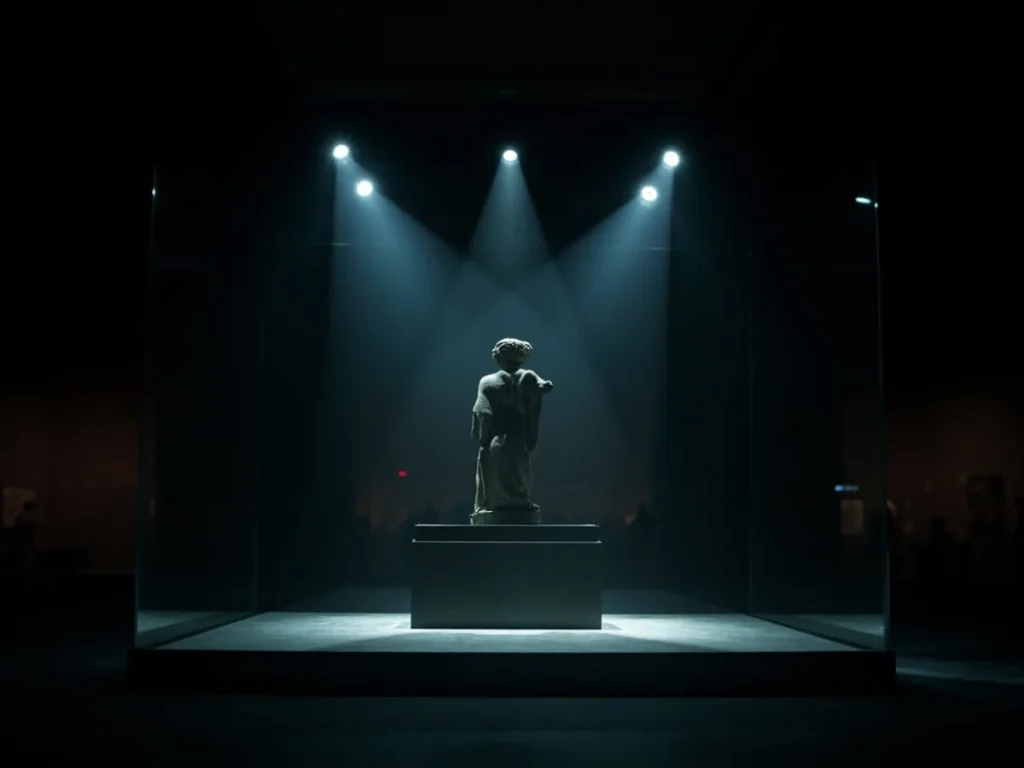
In a watch boutique, the product is small, the price is high, and the customer’s decision often hinges on how the piece is presented. A study by retail design firm Shop! Environments Association found that 68% of luxury shoppers say the display environment directly influences their perception of brand quality. For watch retailers, that makes showcase planning a critical part of interior design. Whether you are opening a 40 m² mono-brand store or renovating a 200 m² multi-brand boutique, this checklist helps you avoid costly mistakes and create a space that sells.
1. Start with Customer Flow and Zoning
Before selecting showcases, map the customer journey. A typical watch boutique uses three zones: impulse (entrance, 15% of floor area), discovery (mid-store, 50%), and decision (seating and consultation, 35%). The entrance zone should feature 1–2 free-standing showcases with best-sellers or new arrivals. The mid-store zone uses wall-mounted or island cases for collection stories. The decision zone requires a comfortable table and chairs, ideally with a built-in display tray or a low showcase for close-up viewing.
Aisles must be at least 1.2 meters wide for two people to pass, and 1.5 meters where wheelchairs or strollers may pass. In a 100 m² boutique, aim for 12–15 linear meters of showcase frontage. This ratio keeps the space from feeling cramped while maximizing product visibility.
2. Choose Showcase Types and Dimensions
Watch boutiques typically use four showcase types: wall-mounted, island, countertop, and tower. Standard dimensions vary:
- Wall-mounted: 120–180 cm wide, 40–50 cm deep, 90–110 cm high. Best for vertical collections.
- Island: 100–150 cm wide, 60–80 cm deep, 90–100 cm high. Ideal for center-floor feature displays.
- Countertop: 60–90 cm wide, 30–40 cm deep, 15–25 cm high. For add-on sales near the cash wrap.
- Tower: 40–60 cm wide, 40–60 cm deep, 150–180 cm high. For limited editions or high-value pieces.
Each watch needs a minimum display area of 10 x 10 cm, but 12 x 12 cm is more comfortable for handling. If you plan to display 200 watches, calculate at least 3.5 m² of display surface, plus 30% for gaps and props. Libafang often advises clients to add 20% extra capacity for seasonal collections.
3. Lighting: The Make-or-Break Factor
Watch dials have fine details—guilloché, sunburst finishes, applied indices—that disappear under poor lighting. Use a three-layer lighting strategy:
- Ambient: 200–300 lux for general circulation.
- Accent: 1000–1500 lux on the watch face, with a color temperature of 3000–4000K to render steel and gold accurately.
- Feature: 2000–3000 lux for hero pieces, using narrow-beam spots (10–15°) to create contrast.
LED strips inside showcases should have a CRI (Color Rendering Index) of 90+. Avoid lighting from directly overhead—it causes glare on sapphire crystals. Instead, angle spots at 30–45 degrees from the front. Dimmers are essential: a 20% reduction in brightness can make a watch look warmer and more expensive.
4. Security and Climate Control
Security must be integrated into the design, not added later. For a medium-sized boutique (80–120 m²), plan for:
- Locking systems: Keyed or electronic locks on every showcase; biometric or RFID for high-value cabinets.
- Alarm sensors: Glass-break detectors on all display windows, plus vibration sensors on showcases.
- CCTV: 4–6 cameras covering entrance, showcases, and cash wrap, with 30-day recording.
- Climate: 45–55% relative humidity and 18–22°C to protect leather straps and movements.
In humid climates like Southeast Asia or the Middle East, built-in dehumidifiers in showcase bases add $150–$300 per unit but prevent costly damage. Libafang integrates ventilation channels and silica gel compartments in custom watch showcases for these markets.
5. Materials and Finishing Touches
Materials should complement the brand. For luxury watch brands, expect to use:
- Glass: Low-iron, 6–8 mm tempered glass with 90%+ light transmission. Avoid green-edged glass.
- Metal: Brushed stainless steel, brass with PVD coating, or anodized aluminum.
- Interior: Suede, microfiber, or velvet in neutral tones (grey, beige, navy) to avoid color casting on watch dials.
- Base: MDF with high-pressure laminate or wood veneer; ensure edges are sealed to prevent moisture.
Budget $800–$2,500 per linear meter for a high-quality custom showcase. Off-the-shelf units cost less but often lack proper lighting or security integration. A 100 m² boutique with 15 linear meters of showcases would invest $12,000–$37,500 in display fixtures alone—about 10–15% of the total interior fit-out budget.
6. Final Walkthrough: What to Test Before Opening
Two weeks before launch, run a full simulation. Place actual watches (or weighted mockups) on every shelf. Check:
- Can a 180 cm tall person see the watch faces without bending?
- Is there enough space to open a showcase door 90 degrees without hitting a wall?
- Do spotlights create heat that could affect watch movements? (Use LED, not halogen.)
- Are cables hidden and power outlets accessible for future changes?
- Does the floor plan allow staff to reach any showcase within 5 seconds?
Adjustments at this stage cost 10–20% of the original fixture price. Adjustments after opening cost 3–5 times more in lost sales and disruption. For a free design and quote tailored to your boutique’s dimensions and brand, contact Libafang’s team. We help retailers in 30+ countries plan showcases that sell.