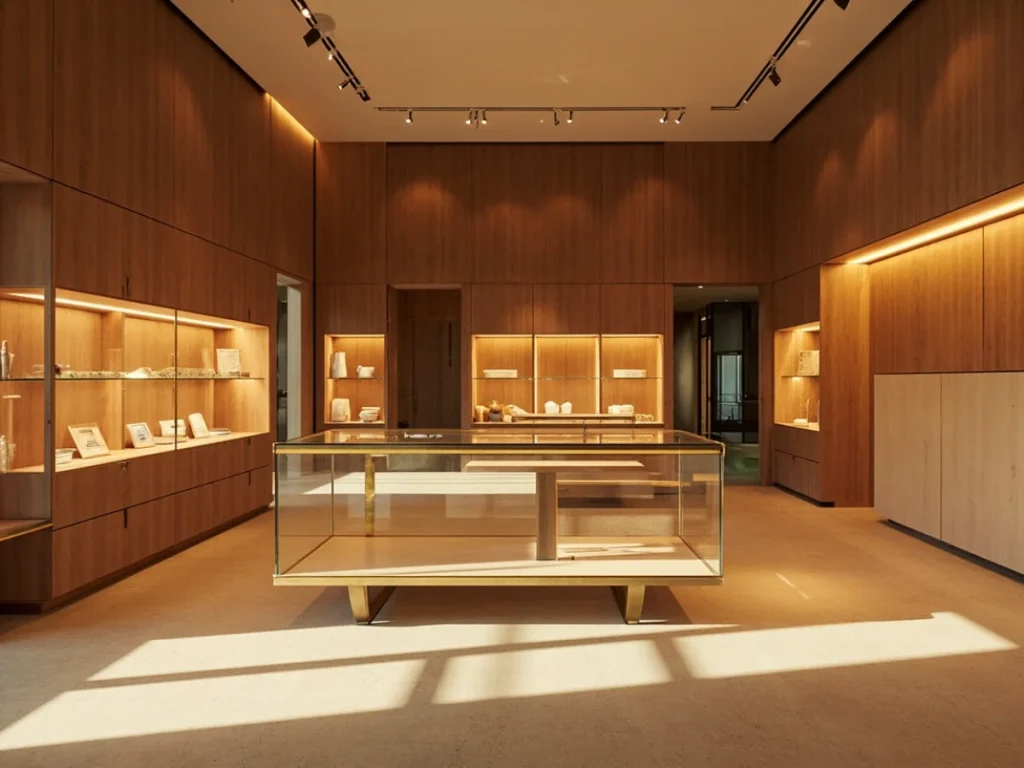
The environment inside a museum display case is the single most controllable factor in artifact preservation. While theft and handling cause dramatic losses, slow environmental damage—from fluctuating humidity, temperature, and airborne pollutants—erodes collections invisibly. For institutions in tropical climates or with older HVAC systems, the challenge is greater: outdoor relative humidity (RH) above 70% can penetrate a poorly sealed case overnight. Whether you are displaying a Qing dynasty silk scroll or a 19th-century pocket watch, understanding climate control basics is non-negotiable. This guide covers practical targets, materials, and monitoring steps that any museum or private collector can apply.
Why Climate Control Inside a Museum Display Case Matters
Artifacts are hygroscopic: organic materials like wood, paper, and textiles absorb and release moisture as ambient RH changes. A swing from 40% to 60% RH causes wood to swell and crack, and can trigger metal corrosion on adjacent components. Temperature fluctuations accelerate chemical decay—every 10°C (18°F) increase roughly doubles reaction rates in acidic paper. Pollutants such as ozone, sulfur dioxide, and volatile organic compounds (VOCs) from paints and adhesives oxidize surfaces. A sealed museum display case creates a microclimate that, when stable, slows all these processes. When unstable, it can become a trap: sealed cases concentrate off-gassing from construction materials. The goal is not merely to seal, but to buffer and filter.
Temperature: Stability Over Absolute Values
Most conservators recommend maintaining a temperature between 18–22°C (64–72°F) inside the case. More important than hitting a specific number is avoiding rapid changes—no more than ±1°C per hour and ±2°C per day. For mixed collections including metals and plastics, 20°C is a safe midpoint. In tropical museums without full HVAC, a case with insulated walls and phase-change material panels can dampen external swings by 50–70%. For example, if the gallery temperature drops 5°C overnight, a well-buffered case may shift only 1.5–2°C. Never place a case near windows, doors, or HVAC vents. A direct supply-air diffuser can cause local temperature shifts of 4–5°C within minutes.
Relative Humidity: Target Ranges by Material
Relative humidity is typically the most critical variable. Use this quick reference:
- Paper, parchment, and most textiles: 45–55% RH
- Wood, ivory, and bone: 50–60% RH
- Metals (iron, steel, bronze): below 45% RH; for archaeological iron, below 35%
- Photographic materials and magnetic media: 30–40% RH
- Mixed collections (general museums): 45–55% RH
Daily fluctuations should not exceed ±3% RH. To achieve this, use silica gel (indicating type) or a regulated desiccant system. A common rule of thumb: 1 kg of silica gel buffers about 1 m³ of case volume for several weeks. For a 1.2 m³ case, 1.5–2 kg of conditioned silica gel is typical. Passive buffering works only if the case is well-sealed—check gaskets every six months and replace if compressed. Active systems with humidistatic control are more expensive but maintain RH within ±1.5% and are preferred for loan exhibitions.
Pollutant Filtration and Material Selection
Even a perfectly sealed case can damage artifacts if internal materials off-gas harmful compounds. Avoid plywood, MDF, and acidic cardboard. Use powder-coated steel, anodized aluminum, glass, and inert plastics like acrylic (PMMA) or polycarbonate. Never use silicone sealants that release acetic acid during cure—choose neutral-cure or low-VOC alternatives. For activated carbon filtration, a 200 g bed of impregnated carbon can remove ozone and VOCs for 6–12 months depending on airflow. If your museum display case includes a forced-air circulation system, install a HEPA filter (minimum MERV 13) and a carbon stage. In polluted urban environments, internal pollutant levels can be 5–10 times higher than outdoors unless filtered.
Monitoring and Maintenance Schedule
Without data, climate control is guesswork. Use a calibrated data logger with external sensor probes (accuracy ±2% RH, ±0.5°C). Place sensors at the top, middle, and bottom of the case—stratification can cause 5–10% RH differences. Log every 15 minutes and review weekly. A practical maintenance rhythm includes:
- Daily: visual check of seals, desiccant color, and any condensation.
- Monthly: download data logs, check for RH spikes or drifts.
- Quarterly: replace or regenerate silica gel; clean or replace carbon filters.
- Annually: full gasket inspection and replacement; recalibrate sensors.
At Libafang Showcase, we engineer museum display cases with integrated climate-control options for clients in over 30 countries, from Panama to the UAE. Our cases are tested in Guangzhou humidity (often 80% RH) to ensure sealing performance before shipping.
Balancing Conservation and Accessibility
A common mistake is over-sealing a case without planning for intervention. If a case reaches 60% RH during a rainy season and your target is 50%, you need a way to correct it without opening the case in a 75% RH room—that would cause immediate condensation on cool artifacts. Design for service access: ports for desiccant replacement, a glove box for small adjustments, and a pressure equalization valve. For loans, use a microclimate frame with a separate sealed cavity. Document all environmental parameters in your condition report, and share them with lenders. This practice alone can reduce loan negotiation time by weeks.
Every collection is different, and generic advice only goes so far. The right climate-control strategy depends on your specific artifacts, local climate, and budget. If you are planning a new gallery or upgrading existing cases, request a free design and quote from Libafang Showcase. Our engineers will assess your collection needs and propose a museum display case with the sealing, buffering, and monitoring features that fit your conservation goals.